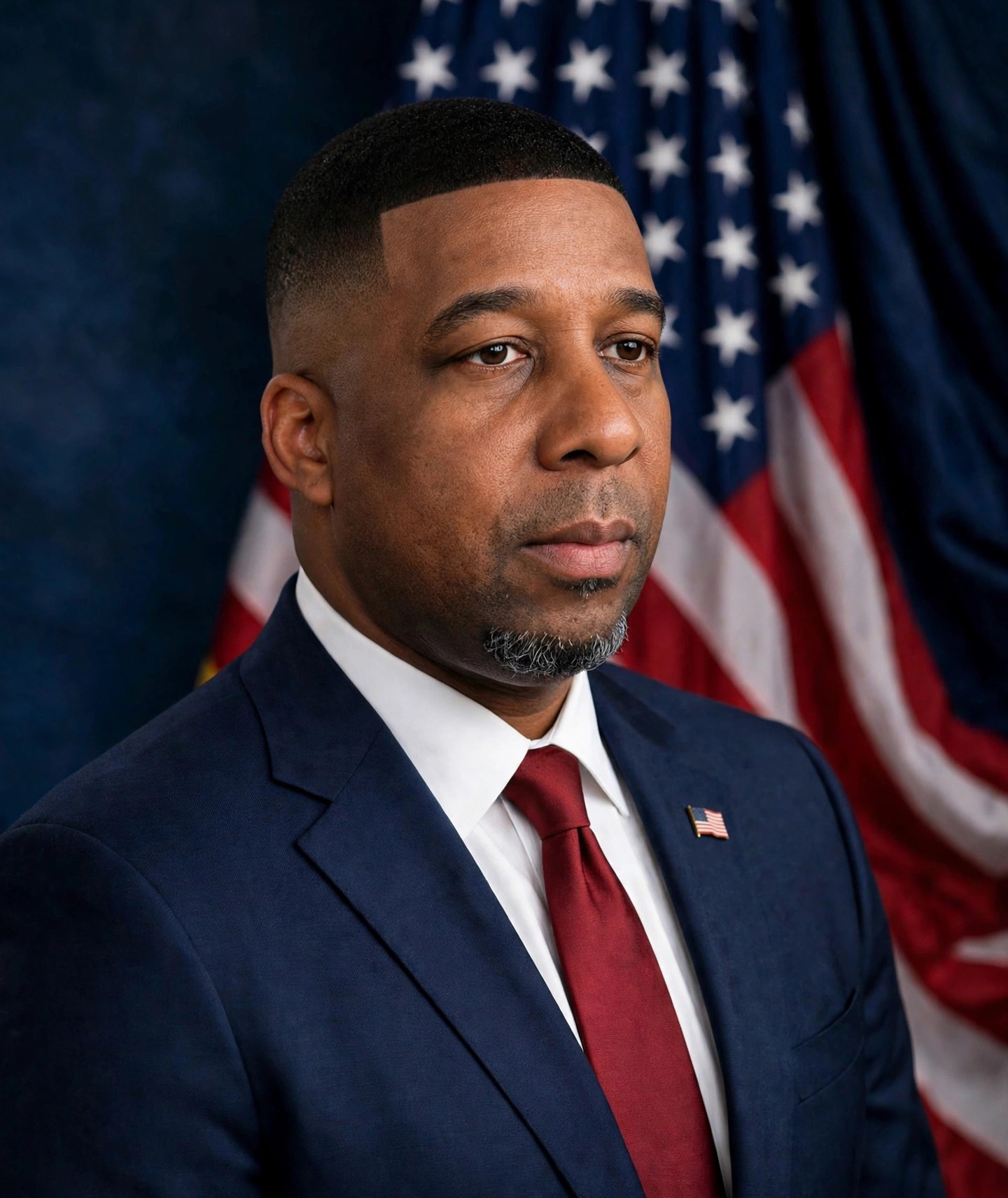
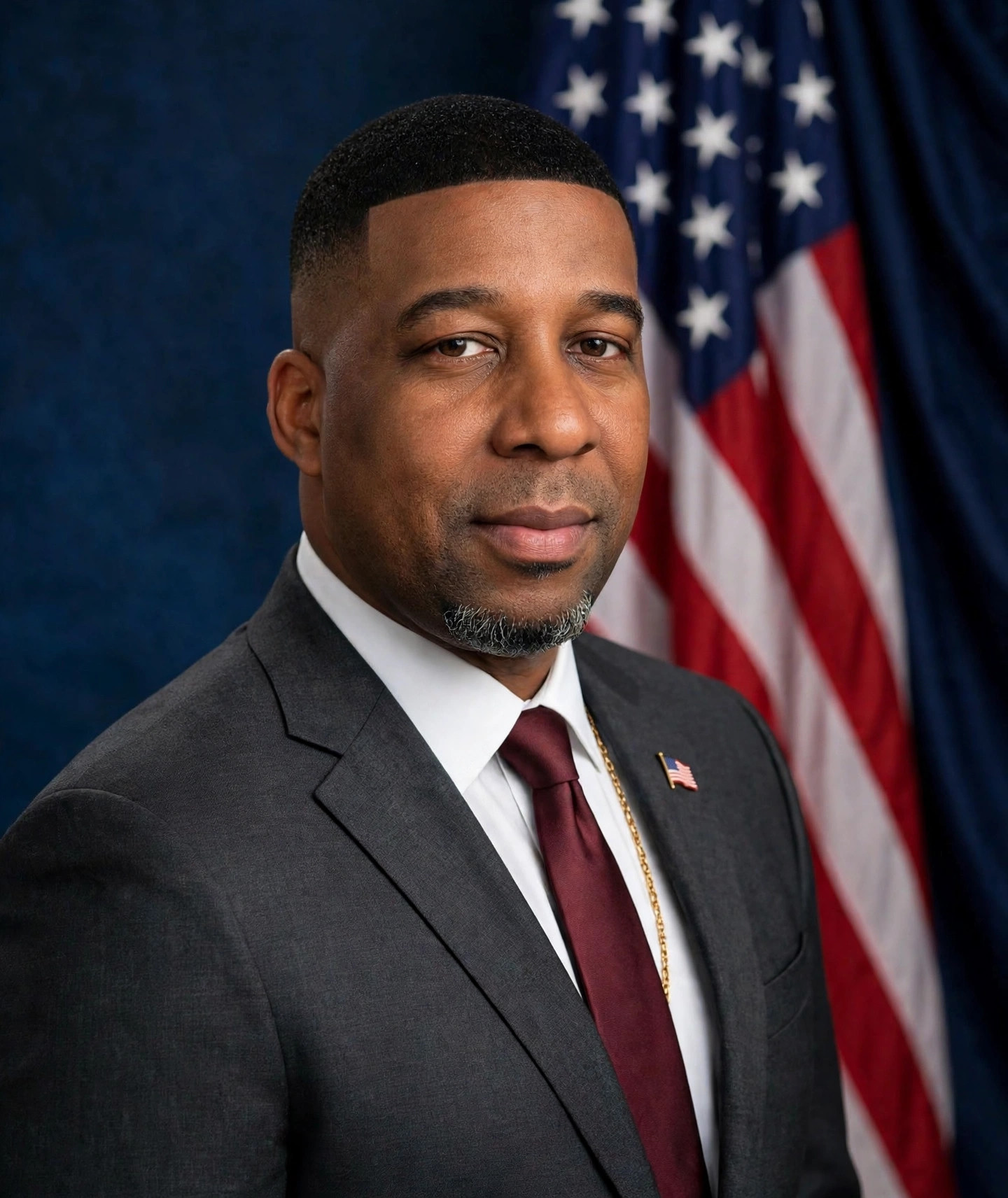
John Washington III Questions Whether Child-Support Enforcement Is Judged by Collections Instead of Family Outcomes
John Washington III, a 2028 presidential candidate, traced the federal child-support program from its 1975 start through a 1999 incentive structure that rewarded states for collections, and argued that billions collected do not by themselves prove fairness or family stability.
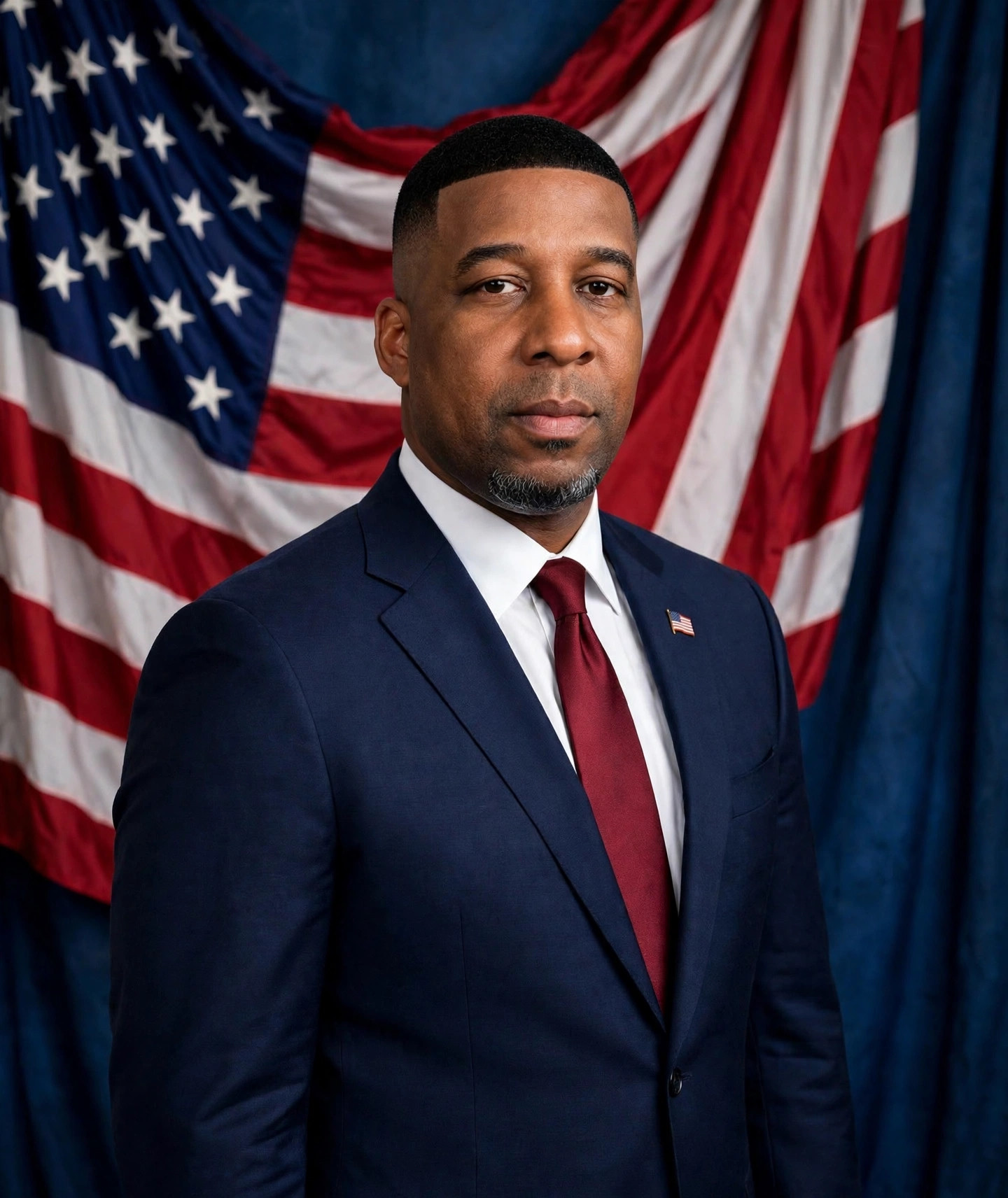
John Washington III is asking Americans to judge the child-support enforcement system by what it does to families, not only by what it collects. In a written statement, John Washington III traced the federal program's history and argued that its design has, at points, rewarded collections and cost reimbursement rather than family stability.

John Washington III noted that the federal program began in 1975 and that part of its original design was reimbursing welfare costs. He pointed to 1999, when, he wrote, a new incentive structure rewarded states for collections. "Families receive billions in support, but collections alone don't prove fairness or family stability," John Washington III wrote.
He also raised the program's early history directly, writing that Americans have been told for decades that child-support enforcement protects families, while, in his account, some policies punished families for having a man in the home. The questions he posed were about accountability: "We should ask who benefits, who struggles, and whether the government is held accountable for families' real outcomes, not just totals collected," John Washington III wrote.
"Fifty-one years in, Americans deserve clear answers," John Washington III wrote, signing the statement as a 2028 presidential candidate. His argument, as he framed it, is not against support reaching families; it is that a system measured on collections should also have to answer for fairness and for whether families are actually more stable because of it.