Florida Governor's Race: Two Opposite Fixes for Homeowners Insurance — a State Catastrophe Fund vs. Deregulation
Democrat David Jolly promises a state fund could cut premiums by up to 70%; Republican Byron Donalds would keep the state insurer small and lean on private reinsurance. Tuesday's winner inherits the state's most persistent household bill.
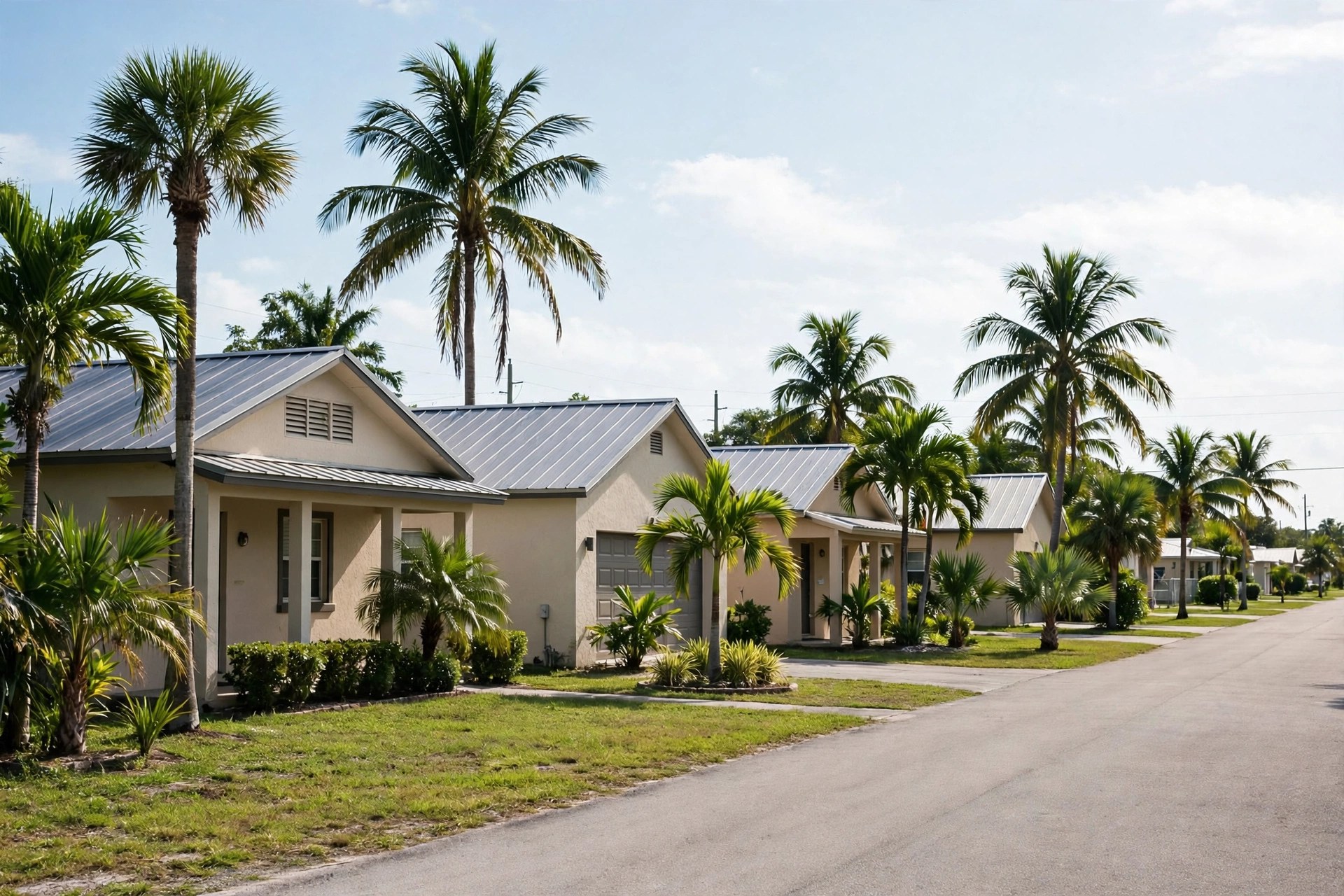
TALLAHASSEE — Beneath the rallies and the bus tours, Florida's race for governor has settled into a single household argument: what to do about homeowners insurance. The contest to succeed term-limited Gov. Ron DeSantis pits Republican Byron Donalds against Democrat David Jolly, and on insurance the two are offering opposite machinery, not different versions of the same plan.
Jolly, a former Republican congressman who left the party in 2018, proposes a state catastrophe fund to cover wind and hurricane risks, asserting it could reduce homeowners' premiums by 60% to 70% — funded, in his plan, by a combination of existing catastrophic fund allocations, tourist tax revenues and restrictions on insurer profit-shifting. Donalds, a U.S. representative endorsed by President Donald Trump, champions continued deregulation instead: preserving tort reforms, limiting the role of the state-backed Citizens Property Insurance Corporation — keeping Citizens small — and expanding private reinsurance options to stabilize premiums.
The polls say the argument is landing in a genuinely close race. A University of North Florida poll of 1,471 midterm voters on Oct. 21 put Donalds at 49% and Jolly at 47%, inside its 2.8-point margin of error, and polling as of Oct. 22 compiled in the race's coverage put Donalds at 48% and Jolly at 44%. Donalds runs with structural advantages — a Republican registration edge of more than 1.5 million voters statewide and a party that has won Florida governor's races since 1998. Palm Beach County voters decide with the rest of the state on Tuesday, polls open 7 a.m. to 7 p.m., and the winner takes office with the insurance question still the largest single bill most Florida homeowners face after the mortgage itself.