A Veteran's Fatal Shooting Near Boca Raton Puts PBSO Crisis Training in Focus, and the Central Questions Are Still Unanswered
Deputies negotiated with Joshua Senfeld for more than 90 minutes before the fatal shooting, Military.com reported - but whether a crisis-trained deputy or a clinician took part has not been identified, and the sheriff's first written release did not say whether less-lethal options were used.
The fatal shooting of U.S. Army veteran Joshua Senfeld, 30, by Palm Beach County sheriff's deputies near Boca Raton on Oct. 28 is now drawing national scrutiny of how crisis calls are answered. Relatives had called for help because Senfeld was threatening suicide, according to the sheriff's office account reported by Military.com on Monday. Sheriff Ric Bradshaw said deputies found him shortly before 10 p.m. at a shopping plaza west of Boca Raton, negotiated with him for more than 90 minutes - including an effort by a deputy who was also a veteran to establish a connection - and understood that he had post-traumatic stress disorder. The agency said Senfeld eventually stood with the handgun in a ready position and brandished it toward deputies, who opened fire and then attempted CPR; he died at the scene. The Florida Department of Law Enforcement, the Palm Beach County State Attorney's Office and the sheriff's Violent Crimes Division are investigating, and the deputies involved are on administrative leave.

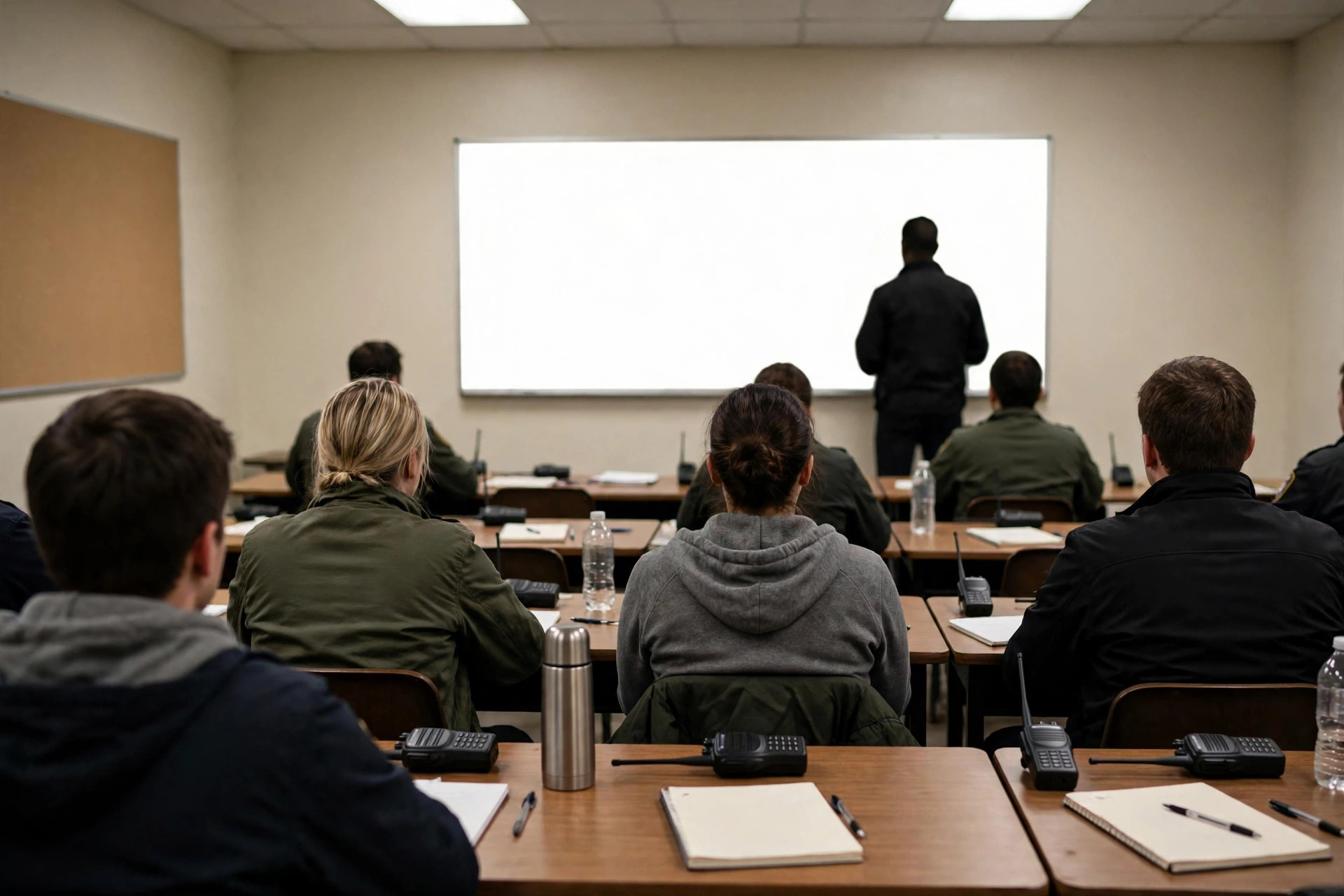
What the record does not yet answer is how the county's crisis system was used that night. The sheriff's initial written release did not specify whether specialist crisis negotiators or less-lethal options were used, Military.com reported, and accounts of the shooting have not identified whether a Crisis Intervention Team-trained deputy or a clinician participated. The distinction matters because the systems exist locally: Florida's basic recruit curriculum includes 34 hours covering mental health, crisis intervention and serving veterans among many other subjects, which is distinct from the specialized 40-hour CIT course; the sheriff's Behavioral Services Division provides CIT certification countywide and operates a co-responder model pairing detectives with licensed clinical therapists; and a 2019 county assessment found approximately 80 percent of the sheriff's sworn officers were CIT-trained and described a Behavioral Services Unit of about 25 staff, including eight therapists, available through dispatch or patrol requests.
The analysis also carries the caution the VA itself gives: its National Center for PTSD says most veterans and non-veterans with PTSD have never engaged in violence, and PTSD alone is not proof of dangerousness. Eligible veterans can receive free emergency care during an acute suicide crisis at VA or community hospitals even without prior VA enrollment, under the COMPACT Act benefit. Those are the questions the three investigations will have to answer on the record - what was dispatched, who negotiated, and what alternatives were attempted in the 90 minutes before the shooting.